
"Sidamo alternatives"
90 article(s) found
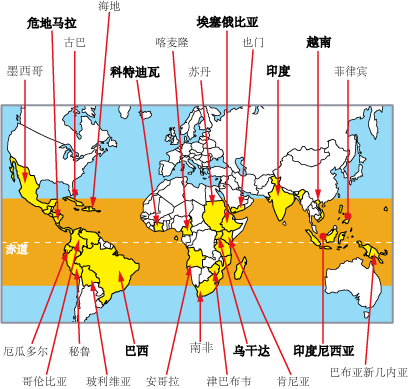
Ethiopian coffee producing areas Ethiopian coffee producing areas are Hilda Moharal and Yega Xuefei.
Ethiopia's coffee-producing areas are divided into east and west parts by the Great Rift Valley. Lakes, volcanoes, lowlands, plateaus and woodlands alternate and evolve independently. Ethiopia has the most diverse coffee ecosystem in the world (forest coffee, semi-forest coffee, pastoral coffee and plantation coffee), which also allows it to preserve its rich Arabica genes. The eastern half is mostly plateau, coffee beans
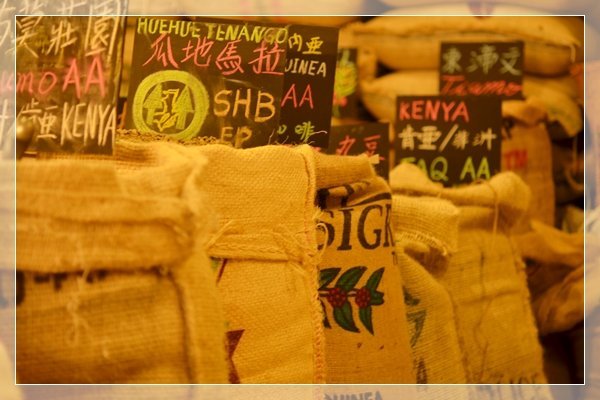
Ethiopia-Ghimbi, Sidamo, Harar and Yegashefi
Ethiopia's coffee-producing areas are divided into east and west parts by the Great Rift Valley. Lakes, volcanoes, lowlands, plateaus and woodlands alternate and evolve independently. Ethiopia has the most diverse coffee ecosystem in the world (forest coffee, semi-forest coffee, pastoral coffee and plantation coffee), which also allows it to preserve its rich Arabica genes. The eastern half is mostly plateau, coffee beans

A brief introduction to the grading system of Ethiopian, Ethiopian and Bancimaji coffee beans
In the West, Ethiopian coffee is generally sold on the market as Yega Feixidamo and Harald (Yirgacheffee, Sidamo and Harrar). In the field of boutique coffee, there are also five other small places of coffee, namely Lim, Gemma, Le Campdi, Becca and Limmu, Djimmah, Lekempti, Bebeka and Wolega. What you see most often is

Introduction to the grading system of Bancimagi Coffee beans in Ethiopia
Although the flavor of Bancimaji Gesha estate is different from that of Panamanian Geisha, it is still worth tasting, because tonality is very rare in Ethiopia, and the ever-changing flavor of spices and fruits is worth trying. The story behind the coffee is even more shocking. In short, it is worth tasting! The Ethiopian sun is sour and sweet, and the flavor of the complex ripe fruit is a little bit.

Mainly produces Brazil Sao Paulo Sidamo guji coffee beans
Sweet, sour and bitter are neutral, moderately sour, special and elegant. Mocha Coffee: Origin: Ethiopia has a unique aroma, moderate roasting has a soft sour taste, deep roasting gives out a strong aroma, occasionally used as a blend. Brazilian coffee: Origin: Brazilian sour and bitter taste can be mixed by baking, moderate roasting soft flavor, moderate taste, deep
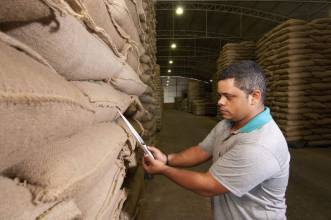
Three treatments of water washing, sun washing and semi-washing in Limu coffee producing area of Ethiopia
The coffee-producing region of Ethiopia is divided into east and west parts by the East African Rift Valley, with lakes, volcanoes, lowlands, plateaus and woodlands interlaced, each evolving. Ethiopia has the most diverse coffee ecosystem in the world (forest coffee, semi-forest coffee, pastoral coffee and plantation coffee), which also preserves its rich Arabica genes. The eastern half is mostly plateaus, coffee beans.
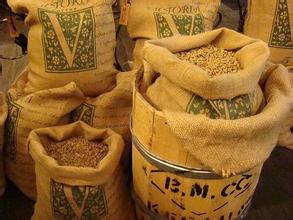
Djimmah, an Ethiopian coffee producing area, follows the ancient method to take the sun treatment class.
The coffee-producing region of Ethiopia is divided into east and west parts by the East African Rift Valley, with lakes, volcanoes, lowlands, plateaus and woodlands interlaced, each evolving. Ethiopia has the most diverse coffee ecosystem in the world (forest coffee, semi-forest coffee, pastoral coffee and plantation coffee), which also preserves its rich Arabica genes. The eastern half is mostly plateaus, coffee beans.

Ethiopian Coffee Bean Story the characteristics and flavor of coffee beans native to Yegashifi and Sidamo
Professional coffee knowledge exchange more coffee bean information Please follow the coffee workshop (Wechat official account cafe_style) when we talk about coffee in Ethiopia, some people will use the words jasmine, rose fruit, magnolia and other words to describe the smell of flowers, but have you ever wondered why these specific varieties with floral flavor are often summed up as "native species"? In the third wave
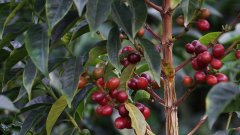
Limu Ethiopian grass and black sugar aroma fruit acid bright boutique coffee
The coffee-producing region of Ethiopia is divided into east and west parts by the East African Rift Valley, with lakes, volcanoes, lowlands, plateaus and woodlands interlaced, each evolving. Ethiopia has the most diverse coffee ecosystem in the world (forest coffee, semi-forest coffee, pastoral coffee and plantation coffee), which also preserves its rich Arabica genes. The eastern half is mostly plateaus, coffee beans.

Introduction to the quality characteristics of coffee flavor description and treatment in Ethiopia
Readers of Ethiopian Coffee who are interested in Ethiopian boutique beans can pay more attention to the producing areas of Sidamo, Yegashifi (especially rare sun-dried beans), Harald, Lim and Jinbi, whose strong orange and floral aromas are different from those of Central and South American beans. Ethiopia is a treasure trove of coffee genes. Experts estimate that there may be more than 2,000 Arabica subspecies hidden in Ethiopia.

Fruit acid Bright Ethiopian coffee estate producing area Flavor Taste characteristics Variety Brand introduction
Ethiopia's coffee-producing areas are divided into east and west parts by the Great Rift Valley. Lakes, volcanoes, lowlands, plateaus and woodlands alternate and evolve independently. Ethiopia has the most diverse coffee ecosystem in the world (forest coffee, semi-forest coffee, pastoral coffee and plantation coffee), which also allows it to preserve its rich Arabica genes. The eastern half is mostly plateau, coffee bean mouth

Ethiopian coffee bean native species of coffee bean producing area description of taste and flavor
Ethiopia has nine major coffee producing areas:, Sidamo, Yegashefi, Hara, Gemma, Lim, Iruba, Gimbi (Lekanti), Tibby, and Bebeca. Among the nine major coffee producing areas in Ethiopia, the most famous are Yegashifi, Sidamo and Harald, the largest coffee producing areas.

An introduction to the characteristics of the nine boutique producing areas in Ethiopia
Nine boutique producing areas in Ethiopia: Yega Xuefei (boutique producing areas): 1800-2000 meters above sea level | Pastoral Coffee system | Yega Xuefei is affiliated to the Sidamo producing area, so it is separated separately because of its unique flavor. In addition to the small town of Yega Xuefei, it also includes three by-product areas around Wenago, Kochere, Gelena and Abaya. So the new Yega Xuefei
An introduction to the flavor characteristics of the nine boutique producing areas in Ethiopia
Nine boutique producing areas in Ethiopia: Yega Xuefei (boutique producing areas): 1800-2000 meters above sea level | Pastoral Coffee system | Yega Xuefei is affiliated to the Sidamo producing area, so it is separated separately because of its unique flavor. In addition to the small town of Yega Xuefei, it also includes three by-product areas around Wenago, Kochere, Gelena and Abaya. So the new Yega Xuefei

Introduction of Yega Xuefei Adado (Adado) Cooperative introduction of the flavor characteristics of Yega Xuefei coffee
Professional coffee knowledge exchange more coffee bean information please follow the coffee workshop (Wechat official account cafe_style) there are eight major producing areas in Ethiopia: Ekempti, Limu, Illubabor, Djimma, Harrar, Teppi/Bebeka, Sidamo, Yirgacheffe. Yirgacheffe is located in the Gedeo region of southern Ethiopia.

Apart from Yega Xuefei, what other producing areas in Ethiopia? the whole introduction of Ethiopian coffee producing areas.
Professional coffee knowledge exchange more coffee bean information please follow Coffee Workshop (Wechat official account cafe_style) [Ethiopian Coffee producing area] there are nine major coffee producing areas in Ethiopia:, Sidamo, Yegashifi, Hara, Gemma, Lim, Irubarb, Kinby (Lekanti), Tibby, Becca. Among the nine major coffee producing areas in Ethiopia, nothing is more famous than

Ethiopian Sidamomo Coffee Taste characteristics and quality characteristics treatment method Grinding degree extraction time
Ethiopian Blue Mountain Coffee: originated in Jamaica, named after the Blue Mountains surrounded by the Caribbean Sea. Sour, sweet, bitter taste are very harmonious and have excellent flavor and aroma, suitable for individual coffee, suitable for moderate roasting. Java coffee: Origin: Sumatra, Indonesia. It belongs to Arabica. After baking, the bitter taste is extremely strong and the aroma is very light, without sour taste. Conna Coffee: production
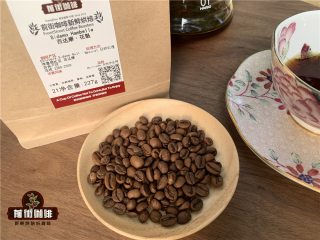
Sidamo Coffee learn more about all aspects of Sidamo Coffee
Sidamo grows in the southernmost Ethiopian plateau at an altitude of 4600-7200 feet (Sidamo province). Southeast of Jima, just south of the capital, Sidamo is usually sweet and favored by most people. its annual output is about 225000bags/60kg, and its bean body is better than Longber.

Introduction of Sidamo producing area | how about Sidamo coffee?
Sidamo is one of the most productive coffee-growing areas in Ethiopia, producing a large amount of high-quality coffee every year. This producing area was formed after Ethiopia was separated from Italian rule in 1942 and its name comes from a group of aboriginal peoples called Sidamo. This area also produces some of Ethiopia's highest coffee. From the west

Who drinks Sidamo coffee beans? Differences in Flavor and Taste between Ethiopian Huaqui and Arsi Coffee
Professional coffee knowledge exchange More coffee bean information Please pay attention to coffee workshop (Weixin Official Accounts cafe_style) Ethiopian coffee accounts for 5% of the global market and is the fifth largest coffee producer in the world. The familiar Arabica coffee originated here, and Ethiopia also has the most